Here is something most injury victims in Central Texas never get told: the firm you hire from a billboard may have no intention of ever stepping into a courtroom. They settle. Fast, quiet, and often for less than the case is worth.
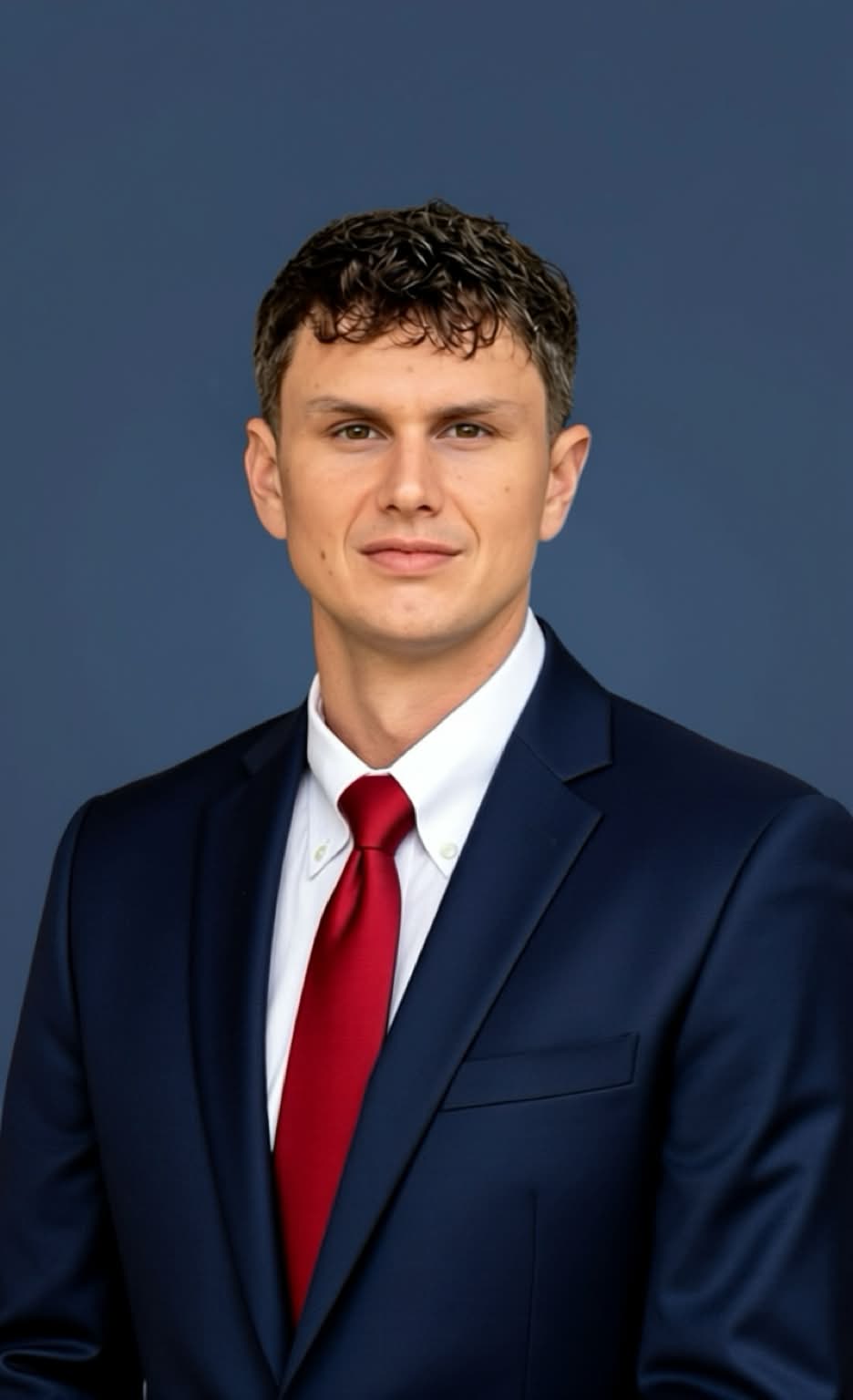
Jacob founded Alford Law PLLC in 2016. The firm is based in San Marcos. I also serve as Of Counsel at Sandoval & James in Austin. From the San Marcos office I handle cases across Hays County and take matters in Travis, Comal, Caldwell, Guadalupe, and other Texas venues when the case requires it. And I try cases. That distinction sounds like marketing until you understand how the other side actually decides what your claim is worth.Why a willingness to try cases matters
Insurance carriers pay close attention to which attorneys file against them and how those attorneys handle cases. When a firm has a track record of settling every file before trial, the adjuster has less reason to make a strong offer — there is no credible threat of a courtroom behind the demand. The case tends to settle on the carrier's terms.
A trial lawyer changes that calculation. When the firm across the table is one that has actually stood in front of a Hays County or Travis County jury, the adjuster has to account for the possibility of a verdict. That possibility is what gives a demand weight. You are not paying for a courtroom performance — most cases still settle — you are paying for the leverage that comes from being genuinely willing and able to go to trial.
What a settlement mill looks like — and what it costs you
Settlement mills run on volume. The model is to sign as many cases as possible, resolve them quickly with minimal investment, and move the file off the desk. There is a place in the legal market for fast resolution, and for some small claims it's the right call. The problem is when a serious injury — a herniated disc, a surgery, a permanent impairment, a wrongful death — gets run through the same fast pipeline.
The high-volume model
- Goal is to close the file quickly, not to maximize it
- Rarely, if ever, files suit
- Limited investment in experts or accident reconstruction
- You may never meet the lawyer handling your case
The trial model
- Case is built from day one as if it will be tried
- Willing to file suit and take it to verdict
- Invests in the experts a serious case requires
- The lawyer who signs you is the lawyer who tries it
Why local courtroom credibility matters in Central Texas
We're not a firm that flies in for trial. San Marcos is the principal office. I also serve as Of Counsel at Sandoval & James in Austin. The Hays County District Court at 712 S. Stagecoach Trail and the Travis County courthouses are where we work. That local presence carries real weight — with judges who run those dockets, with the local defense bar, and with juries drawn from the same communities we live in.
It also matters for how a case is built. A serious crash on I-35 through San Marcos, a wreck on the RR 12 curves toward Wimberley, or a collision on the growing corridors through Kyle and Buda each carries local facts a jury here understands intuitively. A lawyer who knows those roads, those intersections, and those juries tells the story differently than one parachuting in from out of market.
A note on Jake's background
Before opening Alford Law, Jake worked for U.S. District Judge Xavier Rodriguez in San Antonio and worked at litigation and personal injury firms in Austin, Houston, and New Mexico. He worked his way through school 70–80 hours a week in restaurants, motorcycle shops, oil refineries, and on shrimp boats — which is part of why he can tell a client's life story to a jury in a way a lot of lawyers can't. He lives in San Marcos with his wife and six kids.
What this means when you're choosing a lawyer
Ask the direct question
"When was the last time your firm tried a case to a verdict?" The answer tells you most of what you need to know.
Ask who handles your file
Find out whether the lawyer you meet is the one who will actually litigate, or whether you'll be handed to a case manager.
Don't rush the signature
A reputable firm will explain the strategy before asking you to sign. Pressure to sign on the spot is a signal.
Local matters
A lawyer who knows your county's courts and juries builds a stronger, more credible case than one working from out of market.
Frequently asked questions
No. The large majority of cases still settle. The point of hiring a lawyer who tries cases is leverage — the credible willingness to go to verdict is often what produces a fair settlement in the first place. Trial is the tool, not the goal.
It's an ongoing professional relationship between Jake Alford and the Austin firm Sandoval & James. It gives Alford Law a strong courtroom presence in Travis County and the resources of an established Austin trial practice while remaining a San Marcos–rooted firm. You can read Jake's profile here.
Primary market: Hays County motor-vehicle cases. Also handles serious injury and TBI matters in the Austin / Travis market, including through the Of Counsel role at Sandoval & James. We accept referrals from other attorneys statewide.
Nothing. Consultations are free, and personal injury cases are handled on a contingency fee — you owe no attorney's fee unless we recover for you. Call 210-512-2222 to talk through your situation.
Talk to a lawyer who actually tries cases
If you've been seriously injured in Central Texas, get an honest read on your case from a firm willing to take it all the way. Free consultation, no fee unless we win.
Call 210-512-2222